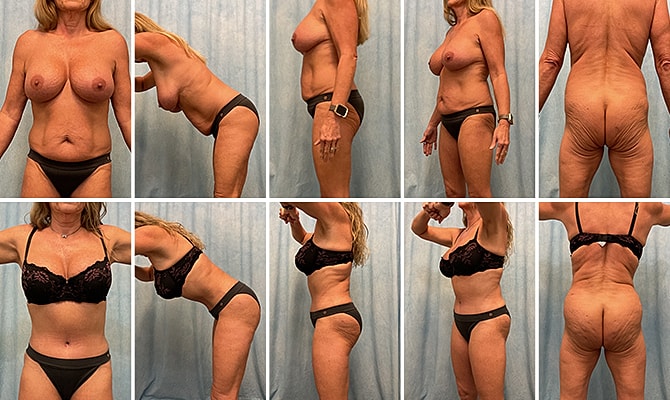
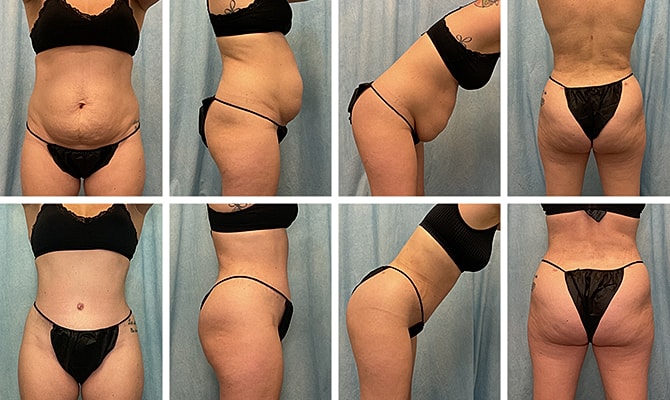
Fat Transfer
In Gainesville, FL

Fat transfer, also known as fat grafting or autologous fat transfer, is a cosmetic surgery procedure that moves excess fat from one area of the body to another to restore volume and improve contour. Using your own fat, this treatment offers a natural alternative to synthetic fillers or implants.
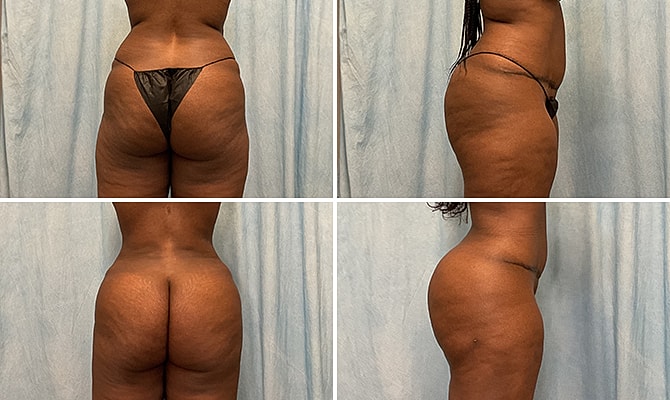
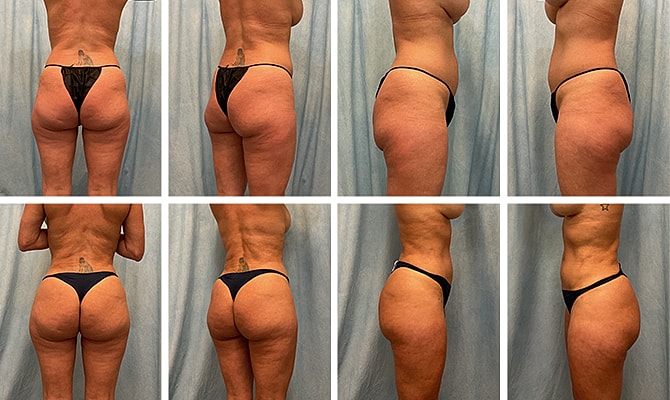
At North Florida Plastic Surgery, Dr. David Mateo performs fat transfer surgery with precision and artistry, carefully placing purified fat to achieve smooth, natural-looking results. This versatile procedure can enhance the face, breasts, buttocks, and other soft tissue areas while simultaneously refining donor areas through fat removal.
Procedure Length: Typically 1–3 hours, depending on treatment areas
Downtime: Most patients resume normal activities within one week
Key Benefit: Uses your own fat cells to restore natural volume
Results: Long-lasting volume with natural-looking contours
1 of 5
Fat transfer, also called autologous fat grafting, is a procedure that removes fat tissue from one part of the body and carefully injects it into another area that needs added volume.
The process involves three steps:
Because the procedure uses your own fat cells, the body typically accepts the transferred fat naturally once it develops a stable blood supply.
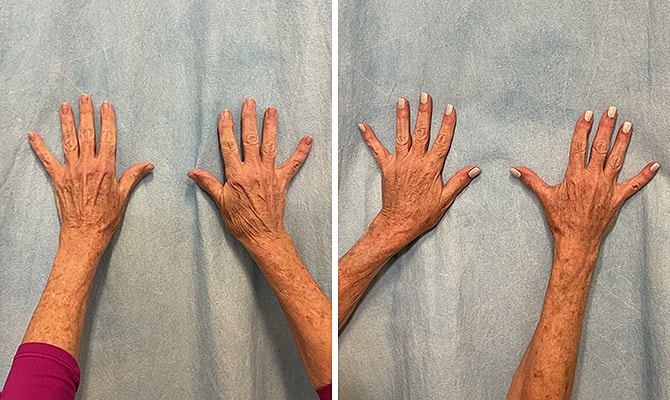
Fat transfer is commonly used in plastic and reconstructive surgery to restore volume lost to aging, weight loss, or prior surgery. It may also be used to improve contour irregularities or enhance specific features.


A fat transfer procedure is usually performed as an outpatient procedure under local anesthesia or general anesthesia, depending on the treatment plan and number of areas being addressed.
Dr. David Mateo first performs fat harvesting, gently removing excess fat from areas such as the abdomen, thighs, or flanks. The fat is harvested using specialized techniques designed to preserve healthy fat cells.
Next, the fat undergoes processing, during which it is purified and prepared for reinjection. The purified fat is then carefully injected into the desired area using small, precise fat injections. Because the surgeon places the fat in tiny layers, the grafted fat can establish a healthy blood supply, improving long-term survival of the transferred fat.


Fat transfer can enhance several areas of the body, including:
This flexibility makes fat transfer one of the most versatile cosmetic surgery procedures available.
Fat transfer offers several advantages compared with other cosmetic treatments.
Because the procedure uses autologous fat, there is no risk of allergic reaction or rejection.
The transferred fat blends naturally with surrounding tissue, creating natural-looking results.
Patients benefit from both fat removal and volume restoration, improving multiple areas of the body in a single procedure.
Compared with many surgical procedures, fat transfer is relatively minimally invasive and involves minimal downtime.
Once the grafted fat develops a stable blood supply, the results can be long-lasting.
A good candidate for fat transfer is someone who:
Most patients seeking fat transfer want to restore lost volume, improve facial balance, or enhance body contours using their own fat. A consultation with a board-certified plastic surgeon will determine how much fat can be transferred and which areas may benefit most from treatment.
Following fat transfer surgery, patients may experience mild swelling, bruising, and tenderness in both the donor and treated areas. Wearing a compression garment is recommended to support the healing process in areas where fat was removed.
Most patients return to normal daily activities within one week, though strenuous activity should be avoided for several weeks. Some swelling may persist during the recovery period, and final results continue to improve as the body heals.
Following specific post-operative instructions ensures optimal healing and results.
As swelling subsides and the healing process progresses, patients begin to notice improved volume and smoother contours in the treated areas. The fat injected into the desired area integrates with the surrounding tissue once it establishes a healthy blood supply.
Because some transferred fat may be naturally reabsorbed, the final results typically become visible over several weeks. The remaining fat cells provide long-lasting volume that can age naturally with the body. The result is a refreshed, balanced appearance that looks soft and natural rather than overfilled.
At North Florida Plastic Surgery, Dr. Mateo combines advanced surgical techniques with an artistic approach to body contouring and facial rejuvenation.
Fat transfer requires precise fat harvesting, careful fat processing, and strategic placement of purified fat to achieve optimal results. Our experienced team focuses on safety, natural-looking outcomes, and personalized care throughout the entire treatment journey.
Every procedure is tailored to the patient’s unique anatomy and aesthetic goals, ensuring results that enhance natural beauty while maintaining harmony with the rest of the body.

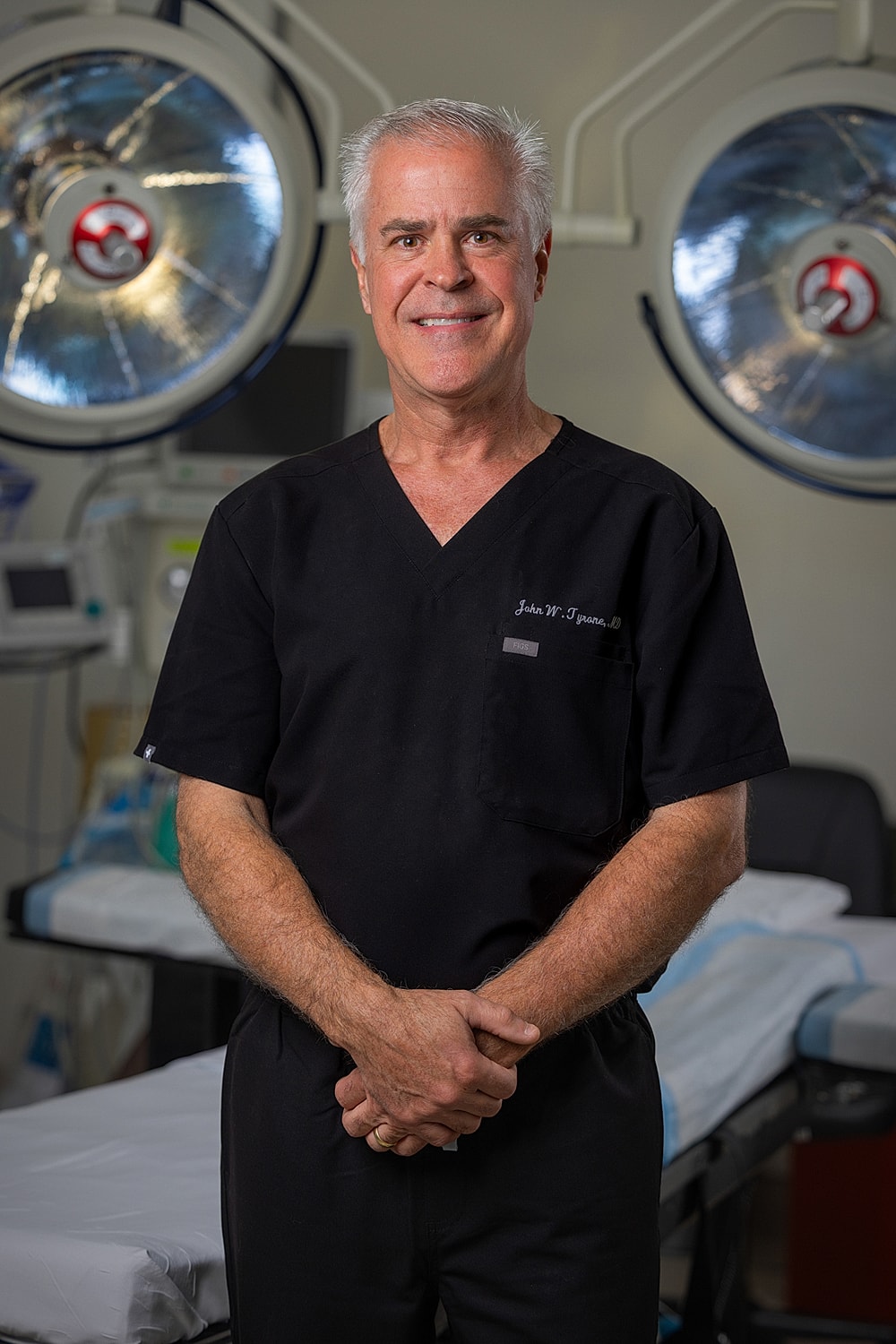
Dr. John W. Tyrone, founder of North Florida Plastic Surgery, is a board-certified plastic surgeon known for his years of surgical experience and a longstanding reputation in the Gainesville community.
His commitment to patient safety and surgical excellence helped establish the foundation that the practice continues to build upon today.
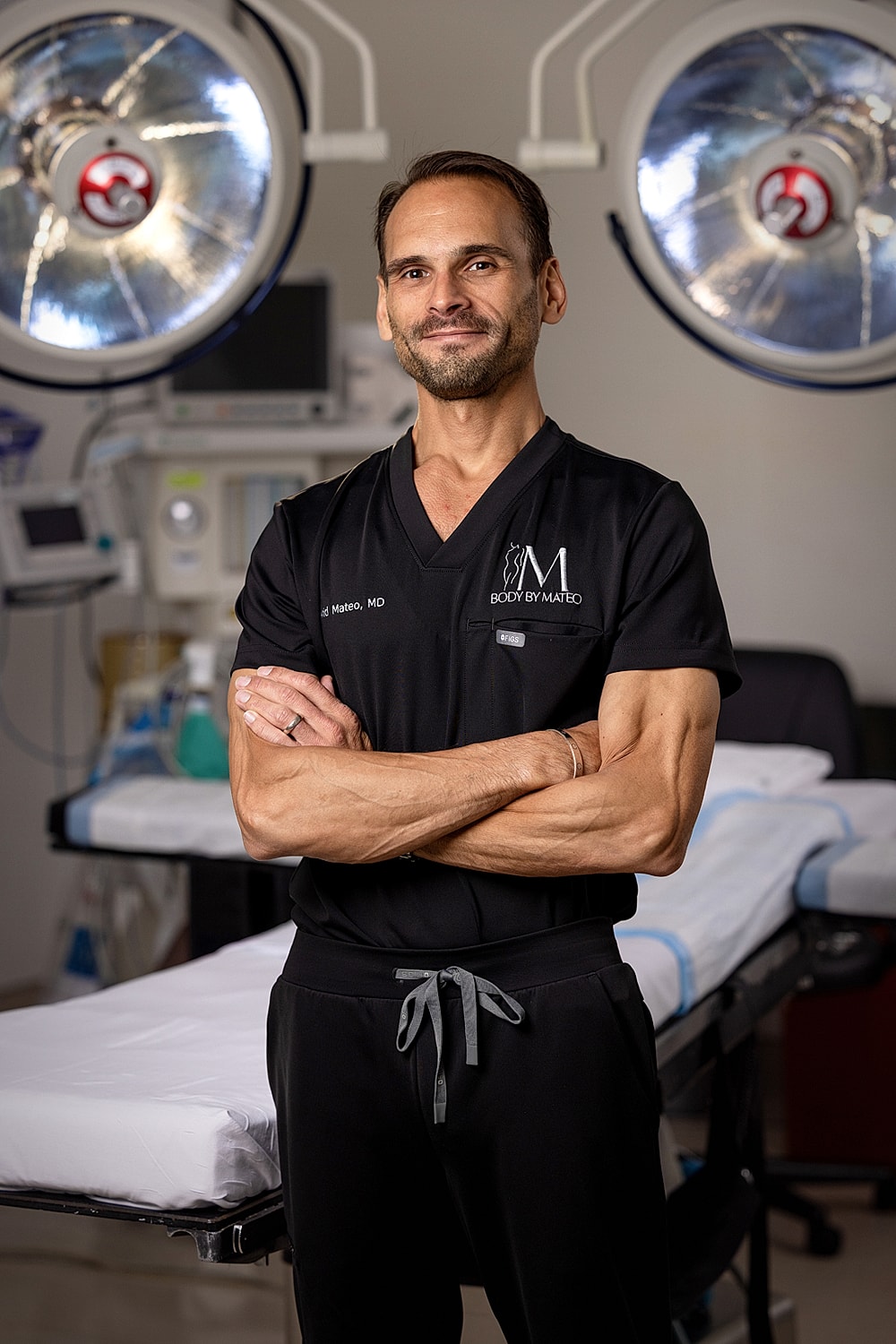
Dr. David Mateo de Acosta is a board-certified plastic surgeon known for his signature "Body by Mateo" breast and body contouring procedures.
Originally from Havana, Cuba, Dr. David Mateo’s diverse academic background and global surgical training have helped him become an intentional, efficient, and adaptive surgeon. Additionally, Dr. David Mateo is fluent in Spanish, enabling him to assist a diverse range of patients in achieving their beauty goals. Now serving patients across North Florida, Dr. David Mateo is an experienced plastic surgeon, dedicated to helping patients achieve their aesthetic goals.
The amount of harvested fat required depends on the area being treated and the desired amount of volume. Your surgeon will determine whether you have enough fat available for the procedure.
Some of the transferred fat will remain permanently once it establishes a stable blood supply, though a portion may be naturally reabsorbed during the healing process.
Fat transfer uses your own fat, eliminating the risk of allergic reactions associated with some injectable products. However, both treatments may be appropriate depending on your goals.
Most patients return to normal activities within 1 week, though swelling may last for several weeks as the body heals.
Yes. Fat transfer is often combined with breast augmentation, breast reconstruction, or body contouring procedures such as a Brazilian butt lift.
Like any surgical procedure, fat transfer carries potential risks, including swelling, bruising, infection, and complications such as fat embolism, though these are rare when performed by a board-certified plastic surgeon.